

Which Anti-Ageing Treatment is More Effective? A Clinical Comparison of Skin Needling and Cosmetic Acupuncture
Skin health is closely linked with internal physiological balance, including factors such as circulation, inflammation, stress load, hormonal regulation, and nutritional status. From a clinical perspective, visible signs of skin ageing reflect a combination of internal and external influences rather than a single isolated cause.
When considering non-surgical approaches to skin rejuvenation, two commonly utilised modalities include skin needling (micro-needling / collagen induction therapy) and cosmetic acupuncture. While both are used within integrative aesthetic practice, they differ in mechanism, treatment scope, and clinical philosophy.
Skin Needling (Micro-needling / Collagen Induction Therapy)
Skin needling involves the controlled creation of micro-channels in the epidermis and dermis using fine needles. This controlled stimulation activates the body’s natural wound-healing response, which may support fibroblast activity and the production of structural proteins such as collagen and elastin.
Collagen and elastin contribute to skin strength, elasticity, and structural integrity. As part of the natural ageing process, these components gradually decline, which may be associated with changes such as reduced skin firmness, fine lines, and altered texture.
From a physiological perspective, skin needling may support:
-
Stimulation of dermal remodelling processes
-
Improvement in overall skin texture and surface refinement
-
Reduction in the appearance of pigmentation irregularities
-
Softening of fine lines and superficial scarring
-
Enhanced absorption of topical skincare formulations
-
Improvement in overall skin tone and radiance
Treatment depth, device type, and frequency should always be individualised according to skin condition and performed by appropriately trained practitioners.
In some clinical environments, topical anaesthetic agents may be used to improve comfort. However, treatment approaches may vary depending on practitioner preference and clinical methodology.
Cosmetic Acupuncture
Cosmetic acupuncture is a whole-body treatment approach that combines facial acupuncture with systemic body acupuncture points. Rather than focusing solely on the skin, it is based on the principle that skin appearance may reflect broader physiological patterns within the body.
In Traditional Chinese Medicine (TCM), skin presentation is interpreted in relation to circulation, organ system function, stress response, and overall physiological balance. Treatment is therefore individualised and tailored to each person’s presentation.
A cosmetic acupuncture session typically involves the insertion of fine, sterile needles into selected facial and body acupuncture points to support physiological regulation and circulation.
Potential clinical outcomes associated with cosmetic acupuncture may include:
-
Support for improved skin tone and facial firmness
-
Enhanced microcirculation to the skin
-
Reduction in the appearance of fine lines and surface wrinkles
-
Support for more even skin tone and clarity
-
Improvement in overall complexion and skin vitality
-
Support for systemic wellbeing factors that may influence skin health
Because cosmetic acupuncture also addresses body systems, some people may report concurrent changes such as improved sleep quality, reduced stress response, improved digestion, and increased general wellbeing. These outcomes are considered part of a holistic response to treatment.
Where clinically appropriate, herbal medicine may be used as an adjunct to support individualised treatment planning.
Key Differences in Clinical Approach
Although both modalities are used to support skin quality, they differ in therapeutic scope:
-
Skin needling focuses primarily on local dermal stimulation and structural skin remodelling.
-
Cosmetic acupuncture incorporates both facial treatment and systemic body regulation to support broader physiological balance.
In clinical practice, treatment selection is guided by individual skin concerns, health presentation, and practitioner assessment.
Who May Consider These Treatments?
These approaches may be considered by individuals seeking support for:
-
Changes in skin texture and elasticity associated with ageing
-
Uneven skin tone or pigmentation concerns
-
Fine lines and superficial skin changes
-
General skin vitality and radiance support
-
A non-surgical approach to skin health and rejuvenation
A consultation with a qualified practitioner is recommended to determine suitability.
Important Clinical Disclaimer
Cosmetic acupuncture and skin needling are complementary therapies used to support general skin health and wellbeing.
-
These treatments are not intended to diagnose, treat, cure, or prevent any medical condition or disease.
-
Individual results may vary depending on internal health factors, lifestyle, and skin condition.
-
All procedures should be performed by appropriately trained and qualified practitioners in a clinical setting.
-
If you have a medical condition, are pregnant, or are under medical care, you should consult your GP or relevant healthcare provider prior to commencing treatment.
In-Clinic Skin Assessment
If you are exploring a more integrative approach to skin ageing that considers both skin structure and internal balance, a personalised consultation may help determine the most appropriate treatment pathway for you.
At Salubre Skin Clinic, we offer individualised skin assessments to understand your skin concerns and develop a tailored treatment plan that may include cosmetic acupuncture, skin health support strategies, and integrative skin therapies.
👉 Book a consultation to discuss your skin goals and suitability for treatment.
👉 Alternatively, connect with our clinic team to learn more about our integrative skin health approach.

“These images are examples and indicative only. Individual results may vary depending on personal factors.”
Topical Skincare Support (Post-Treatment Care)
Following cosmetic acupuncture or skin needling, the skin may be in a state of increased receptivity. During this period, topical formulations may be more efficiently absorbed due to transient changes in the skin barrier and increased microcirculation.
For this reason, the immediate post-treatment window (typically up to 48–72 hours) is often considered a supportive period for applying well-formulated cosmeceutical skincare products that contain active ingredients designed to support skin function and hydration.
Rather than “forcing results,” the aim is to optimise the skin’s natural regenerative processes through appropriate topical support, allowing the skin to progressively renew itself through its normal cellular turnover cycle (approximately 28 days for epidermal cell migration from basal layer to surface).
Over this cycle, some individuals may observe gradual improvements in skin texture, hydration, and overall skin quality when treatments are combined with consistent topical care.
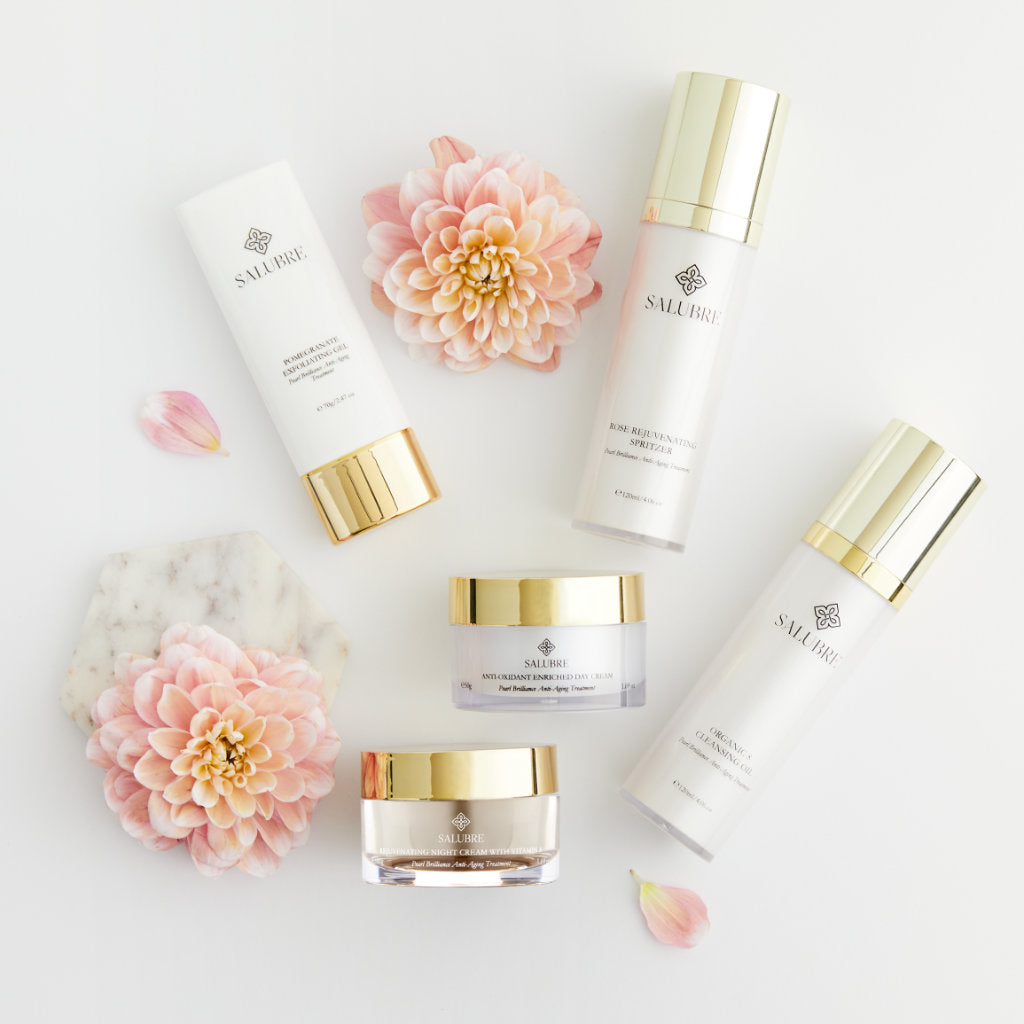
Pearl Brilliance Range (Supportive Skin Routine)
As part of a structured daily skincare approach, the Pearl Brilliance range has been formulated to support mature, dehydrated, and environmentally stressed skin by focusing on barrier support, hydration, and skin conditioning.
This range is designed to complement professional treatments such as cosmetic acupuncture and skin needling by supporting overall skin function and surface integrity.
Key functional ingredients and their supportive roles include:
-
Antioxidant-rich botanicals to support protection against oxidative stress and assist normal skin turnover processes
-
Brightening ingredients such as white peony and pearl-derived components, traditionally used to support a more even-looking complexion
-
Vitamin C–rich plant extracts, including Kakadu plum, to support collagen synthesis pathways and provide antioxidant support for skin health
-
Botanical anti-inflammatory compounds to help calm the appearance of redness and support skin tolerance and resilience
-
Nourishing lipid-based oils that support the skin barrier without stripping natural oils, assisting in maintaining hydration balance
-
Deep moisturising agents that help reduce the appearance of dryness and support skin comfort and suppleness
When used consistently, a structured skincare routine such as this may assist in maintaining skin hydration, barrier function, and overall skin appearance between clinical treatments.
Specialty Anti-Ageing Skincare (Targeted Support for Skin Concerns)
Specialty anti-ageing formulations are designed to support specific skin concerns using targeted active ingredients, including cosmetic peptides. Peptides are well-researched biomimetic compounds that are used in skincare to support the appearance of skin firmness, hydration, and overall skin quality.
These types of formulations are generally developed with a focus on evidence-informed cosmetic science and are intended to complement professional skin treatments such as cosmetic acupuncture and skin needling, rather than replace them.
Eye Area Concerns
The skin around the eyes is naturally thinner and more delicate than other areas of the face, which may make it more susceptible to visible changes such as fine lines, puffiness, dark circles, and loss of firmness over time. These changes can be influenced by factors including fatigue, fluid retention, reduced microcirculation, sun exposure, and skin ageing processes.
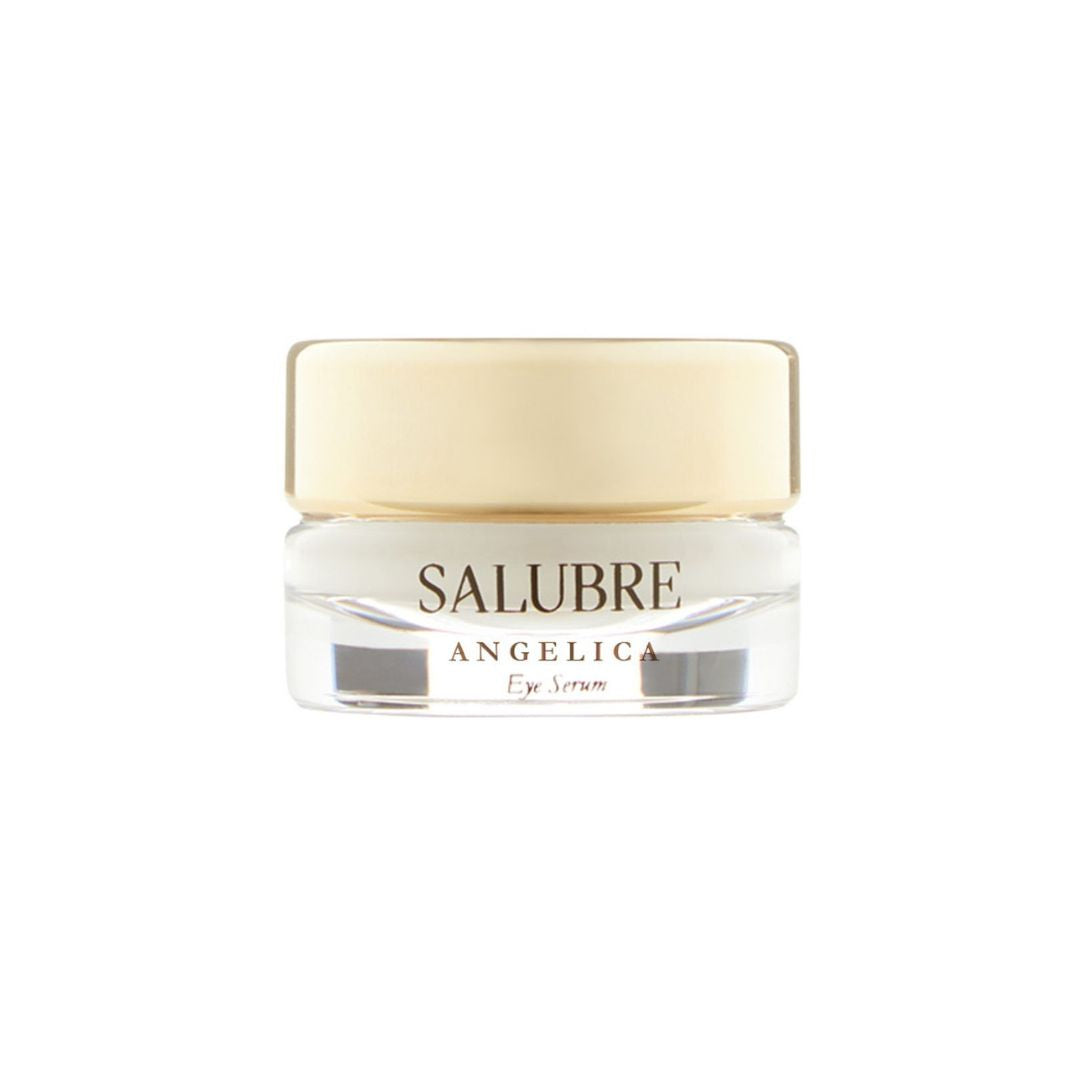
The Eye Serum is formulated as a targeted support product for this area, incorporating a combination of peptides, vitamins, and botanical extracts designed to support skin appearance and resilience.
Key components include:
-
Peptide complexes (including Snap-8 and Eyeseryl), which are commonly used in cosmetic formulations to support the appearance of smoother skin and reduced visible expression lines
-
Niacinamide (Vitamin B3), which is widely used to support skin barrier function and improve the appearance of uneven tone
-
Panthenol (Vitamin B5), known for its skin-conditioning and hydration-supporting properties
-
Vitamin E, an antioxidant that helps support skin protection against environmental stressors
-
Botanical extracts including Rhodiola, Angelica, and Astragalus, traditionally used in skincare for their soothing and skin-conditioning properties
When used consistently as part of a twice-daily skincare routine, this formulation is designed to support the appearance of improved skin smoothness, hydration, and overall eye-area vitality over time, typically assessed over a 28-day skin cycle.
These products are intended for cosmetic use and are not designed to treat or manage medical conditions.
Hyperpigmentation Support (Uneven Skin Tone & Discolouration)
Concerns such as melasma, age spots, and post-inflammatory pigmentation are common and often multifactorial in nature. They may be influenced by a combination of UV exposure, hormonal changes, inflammation, skin injury, and individual pigmentary activity.
From a cosmetic skincare perspective, one of the key pathways involved in visible pigmentation is the activity of tyrosinase, an enzyme involved in the production of melanin. Many advanced skin-brightening formulations are designed to support a more even-looking complexion by helping regulate this pathway within normal cosmetic parameters.
The goal of well-formulated pigmentation skincare is not to alter the natural skin tone, but rather to support a more balanced and uniform appearance of the skin over time.
Luminescence Skin Brightening Serum
The Luminescence Skin Brightening Serum is formulated as a targeted cosmetic support product for uneven skin tone and visible pigmentation concerns.
It is designed to support skin clarity and radiance through non-irritating, barrier-respecting ingredients that aim to work progressively rather than aggressively.
Key features include:
-
Tyrosinase-supporting botanical actives, which are commonly used in cosmetic skincare to assist in regulating melanin expression pathways
-
Brightening complexes designed to support a more even and refined skin appearance
-
Non-stripping formulation approach, designed to avoid disruption of the skin barrier
-
Gentle, non-bleaching cosmetic action, intended to support natural skin tone rather than alter it
-
Barrier-supportive ingredients to maintain hydration and skin comfort during use
When used consistently as part of a structured skincare routine, this serum is designed to support the appearance of improved skin evenness, luminosity, and clarity over a typical skin renewal cycle.
As with all cosmetic skincare, results may vary depending on individual skin type, environmental exposure, and underlying contributing factors.

Fine Lines and Wrinkles (Hydration & Skin Support)
The appearance of fine lines and wrinkles is influenced by multiple factors including reduced collagen and elastin production, cumulative UV exposure, oxidative stress, and progressive changes in skin hydration and barrier function.
As skin matures, it naturally loses its ability to retain moisture effectively within the epidermal layers. This can contribute to the appearance of dryness, reduced skin plumpness, and more visible surface lines.
While general hydration (including adequate water intake) supports overall physiological function, topical skincare plays a key role in delivering humectants, peptides, and lipid-supportive actives directly to the skin to assist with surface hydration and cosmetic skin quality.
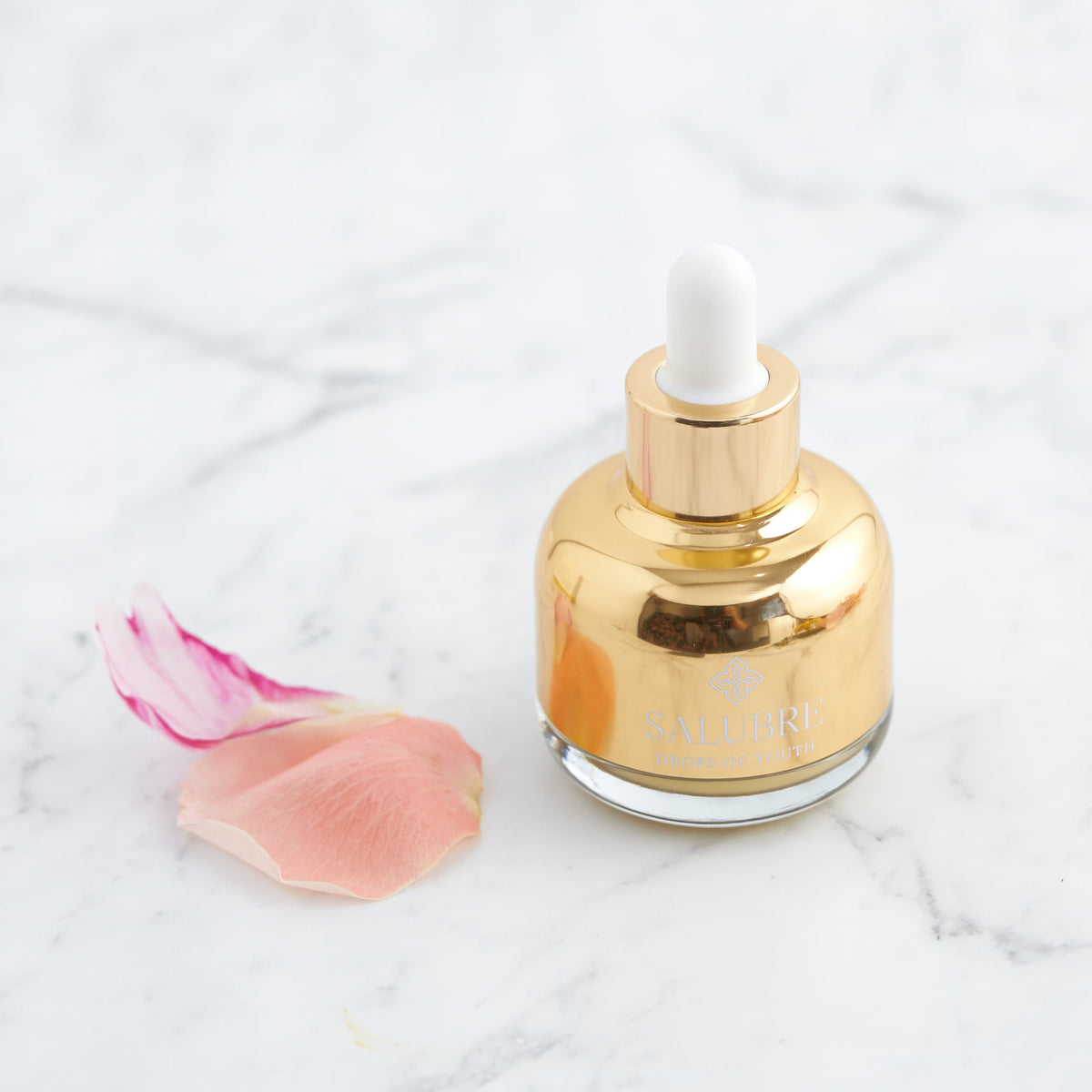
Drops of Youth – “Elixir of Beauty” Serum
The Drops of Youth Elixir of Beauty is a targeted anti-ageing serum formulated to support skin hydration, elasticity, and overall skin smoothness through a combination of humectants, peptides, and antioxidant ingredients.
Key functional ingredients include:
-
Hyaluronic Acid, a well-known humectant that supports moisture retention and skin hydration
-
Matrixyl 3000 (peptide complex), commonly used in cosmetic formulations to support the appearance of smoother, firmer-looking skin
-
DMAE, used in skincare to support the appearance of skin tone and facial contour definition
-
Coenzyme Q10 (CoQ10), an antioxidant that supports protection against oxidative stress
-
Heptapeptide-8, a peptide ingredient used in cosmetic formulations to support skin smoothness
-
Angelica extract, traditionally used in skincare for its conditioning and skin-supportive properties
This formulation is designed to work as part of a structured skincare routine to support the appearance of improved hydration, elasticity, and overall skin quality over time.
For optimal cosmetic benefit, it may be used following gentle exfoliation to support product absorption, and paired with a moisturising formulation to assist in barrier support and hydration retention.
As with all cosmetic skincare, outcomes may vary depending on individual skin condition, consistency of use, and environmental factors.
Nutritional Support for Mature Skin Health (Dietary Skin Rejuvenation Principles)
From an integrative health perspective, skin quality is influenced not only by topical care and clinical treatments, but also by overall nutritional status, digestive function, and dietary consistency. A nutrient-dense, whole-food-based diet may support the body’s natural physiological processes involved in skin maintenance and renewal.
The following dietary recommendations are traditionally used to support overall wellbeing and provide foundational nutrients that may contribute to healthier-looking skin over time.
Foods to Enjoy in Abundance
A focus on minimally processed, nutrient-dense whole foods is recommended to support general vitality and skin function.
Examples include:
-
Whole foods diet foundation, prioritising fresh, unprocessed ingredients
-
Bone broths and slow-cooked stocks, which may provide naturally occurring minerals and amino acids. Traditional preparation methods include long, slow simmering; a small amount of vinegar is sometimes used in cooking to assist mineral extraction from bones
-
Slow-cooked casseroles and stews, which support gentle digestion and nutrient availability
-
Egg yolks, legumes, grains, and green leafy vegetables, providing protein, fibre, vitamins, and minerals
-
Beetroot and other deeply coloured vegetables, supporting antioxidant intake and circulation
-
Slow-cooked whole chicken with vegetables and herbs, often used as a nutrient-rich broth base
-
Nutrient-dense proteins, including tofu, fish, soy products, and other high-quality protein sources
-
Whole grains such as barley and millet, and vegetables such as asparagus and green beans
-
Dark-coloured legumes, which provide plant-based protein and micronutrients
-
Antioxidant-rich fruits, such as blueberries and mulberries
-
Sea vegetables (seaweed), fish roe, and dairy products, where tolerated, to support micronutrient diversity
Adequate hydration is also an important component of general health and skin function. Water intake should be adjusted according to individual needs, activity levels, and environmental conditions. Warm fluids are often preferred in traditional dietary systems to support digestion and comfort.
Foods and Habits to Limit
Certain dietary patterns may place additional physiological stress on the body and are often moderated in integrative skin health approaches:
-
Chronic restrictive dieting, which may limit nutrient availability needed for normal physiological function
-
Excess stimulants, such as high caffeine intake, overly spicy foods, and heavily processed rich foods, which may affect digestion and stress response in some individuals
-
Recreational drug use, which can negatively impact overall health systems involved in skin maintenance and repair
Important Note
These dietary suggestions are general in nature and are intended to support overall wellbeing and skin health within a holistic framework. They are not a substitute for individual medical or nutritional advice. For personalised guidance, consultation with a qualified healthcare practitioner or accredited nutrition professional is recommended.
Related content you may be interested in:
- Best Anti-ageing skin care products for maturing skin
- Cosmetic Acupuncture Facials: The newest facial to hit the western world.


